A Prospective Owner’s Guide
Golden Retrievers are beloved for their intelligence, affectionate nature, versatility, and family-friendly temperament. However, no breed is right for every household. Choosing a dog requires an honest assessment of its needs, your lifestyle, and your ability to provide lifelong care.
Responsible breeders work to preserve the breed’s health, temperament, and physical characteristics in accordance with the AKC Breed Standard. Prospective owners have an equally important responsibility: determining whether those characteristics are compatible with their family, schedule, and living environment.
The following considerations highlight the commitments and potential challenges of Golden Retriever ownership. Understanding them before bringing home a puppy can help prevent avoidable difficulties and ensure a successful, lifelong relationship.
Download the Checklist: Is a Golden Retriever Right for You?
1. Exercise and Activity
Golden Retrievers are an active sporting breed, particularly during puppyhood and adolescence, which can extend to approximately two years of age. Without adequate physical activity and mental stimulation, excess energy may manifest as destructive behavior, jumping, chewing, or difficulty settling.
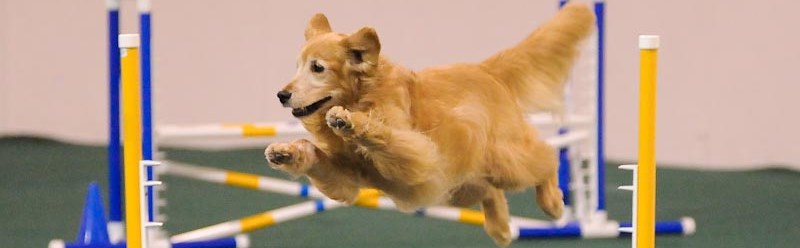
Appropriate activities include walks, swimming, retrieving, supervised play with compatible dogs, obedience training, agility, tracking, and field work. High-impact activities, such as sustained jogging or running alongside a bicycle, should be avoided while joints are developing or during the first two years. Consult a veterinarian before introducing strenuous exercise.
Adult and senior Goldens also require regular activity to maintain a healthy weight, physical condition, and mental well-being.
A fenced yard is not a substitute for exercise. Goldens need structured activities and interaction with their owners. Physical fences and electronic containment systems also have limitations and should not be considered completely secure.
2. Shedding and Grooming
Golden Retrievers shed throughout the year, with heavier seasonal shedding periods. Weekly brushing is generally sufficient during much of the year, while daily brushing may be necessary during heavy sheds.
Regular bathing, brushing, nail trimming, and ear care help maintain a healthy coat and skin. Professional grooming or high-velocity dryers can assist with removing loose undercoat, but no grooming routine will eliminate shedding entirely.
Expect dog hair on floors, furniture, clothing, and occasionally in places you would prefer it not to be. If anyone in the household has allergies, arrange time around the breeder’s dogs before committing. Individual reactions vary, and no dog breed is reliably hypoallergenic.
3. Goldens and Children
Golden Retrievers are often excellent family companions, but their temperament does not eliminate the challenges of raising a puppy alongside young children.
Puppies naturally jump, chase, mouth, and bite during play. Children’s movements and excitement can intensify these behaviors, while parents already managing young children may struggle to meet the puppy’s exercise, supervision, and training needs.
Successful relationships require consistent adult supervision, clear boundaries, and dedicated training. Children should never be expected to manage a puppy independently.
Without adequate attention and guidance, a puppy may develop persistent behavioral problems and become increasingly isolated from the family. Consider whether your household has sufficient time and energy to raise both children and a puppy safely.
4. Socialization and Training
The first months of a puppy’s life are especially important for behavioral development. Early, positive exposure to people, animals, sounds, environments, handling, grooming, and everyday activities helps build confidence and adaptability.
Puppy classes and reward-based training can teach both dogs and owners the skills needed for good manners at home and in public. Socialization should be gradual, positive, and appropriate to the puppy’s vaccination status and health.
Training is not a one-time task. It requires consistency, patience, and ongoing participation from the household. Prospective owners should be prepared to invest substantial time during the puppy’s early development.
5. Time Alone and Supervision
Puppies require frequent interaction, exercise, bathroom breaks, and supervision. When direct supervision is not possible, safe confinement can prevent destructive behavior and help establish good habits.
Crates and designated safe spaces are useful tools, but they cannot replace companionship, activity, or regular bathroom breaks. A young puppy should not be expected to remain confined throughout a typical eight-hour workday without appropriate breaks and care.
If your household is away for extended periods, arrange support through a dog walker, trusted caregiver, or suitable dog daycare when appropriate. Remember that your responsibilities continue after work: your puppy will still need attention, training, play, and exercise.
6. Housing and Companionship
Golden Retrievers are highly social dogs that thrive as members of the family. They generally do not do well when routinely isolated in yards, garages, or other spaces away from human companionship.
Prolonged isolation can contribute to boredom, anxiety, excessive barking, digging, chewing, and other behavioral problems. A Golden should live primarily with its family and receive meaningful daily interaction.
Goldens are companions, not outdoor-only dogs. Although some will bark when they notice unfamiliar activity, their typically friendly temperament makes them unreliable choices for protection or guard work.
7. Size and Responsible Breeding
Golden Retrievers are large, strong dogs whose size should be considered when evaluating your home, transportation, physical capabilities, and ability to manage an energetic animal.
The AKC Breed Standard specifies the following ideal adult measurements:
-
- Males: 23–24 inches at the shoulder; 65–75 pounds.
- Females: 5–22.5 inches at the shoulder; 55–65 pounds.
Significant deviations from the standard may warrant questions about breeding practices, although size alone does not establish a breeder’s quality or a dog’s health.
Choose a breeder who prioritizes health, temperament, sound structure, and adherence to the American Kennel Club and Golden Retriever Club of America’s ethical breeding principles. Discuss appropriate spay/neuter timing with your veterinarian, as early sterilization may affect growth and other health outcomes.
For additional information, consult the GRCA website’s health resources, including its discussion of early spay/neuter in Golden Retrievers.
8. The Lifelong Commitment
Golden Retrievers can be exceptional companions, but their success in a household depends on more than their reputation as a friendly family breed. They need regular exercise, consistent training, early socialization, grooming, companionship, veterinary care, and a long-term commitment from their owners.
Before choosing a Golden, ask yourself:
-
- Can I provide daily exercise, training, and mental stimulation?
- Can I manage shedding and routine grooming?
- Can I supervise interactions between the dog and young children?
- Can I arrange appropriate care when I am away?
- Will the dog live indoors as an integrated member of the family?
- Am I prepared for the financial, practical, and emotional responsibilities of lifelong ownership?
Source: Cuyahoga Valley Golden Retriever Club, based on educational guidance from the Golden Retriever Club of America. Website: https://grca.org/find-agolden/